OER
Tableware
Eindhoven
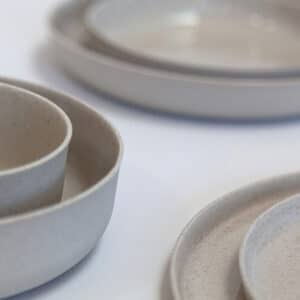
This tableware collection is made from porcelain clay mixed with iron sludge (oer) extracted directly from the water treatment plant in Eindhoven. Iron sludge is a natural byproduct released during the purification process of our tap water.
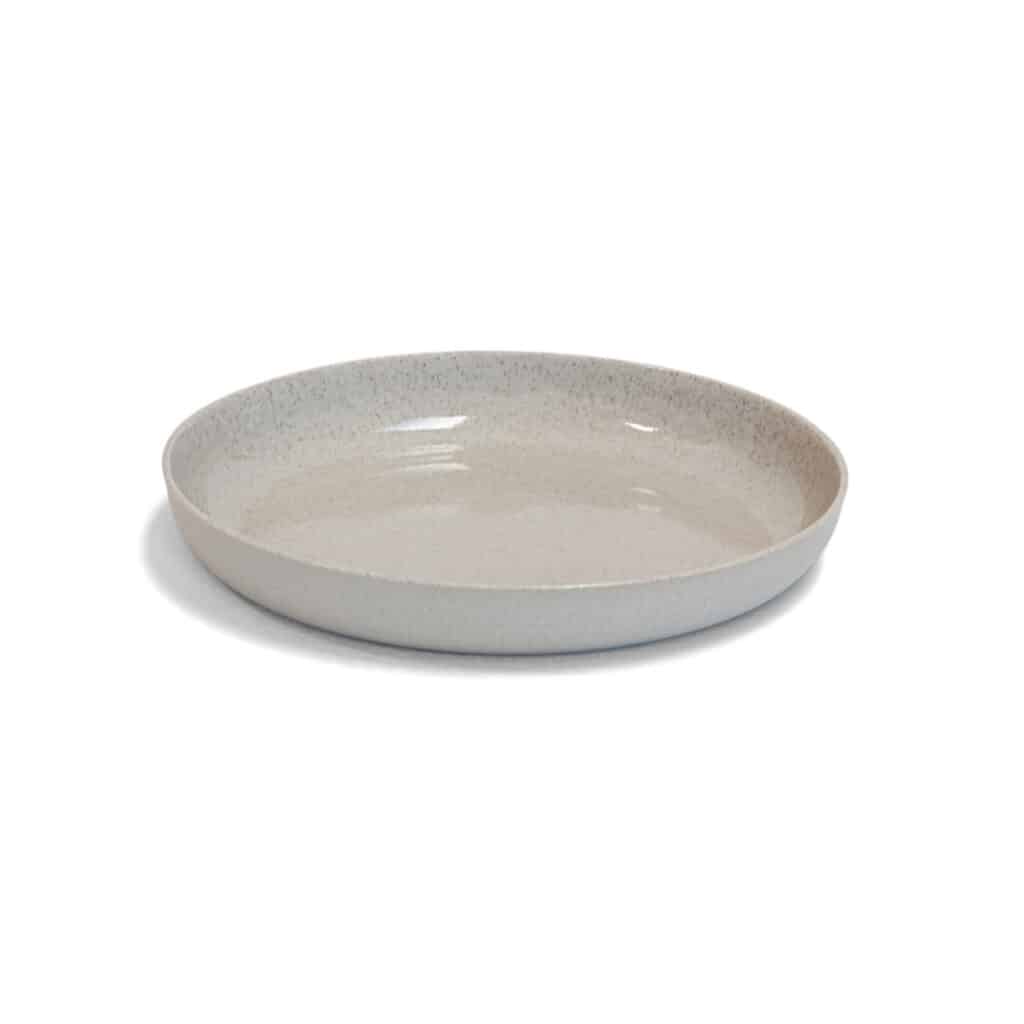
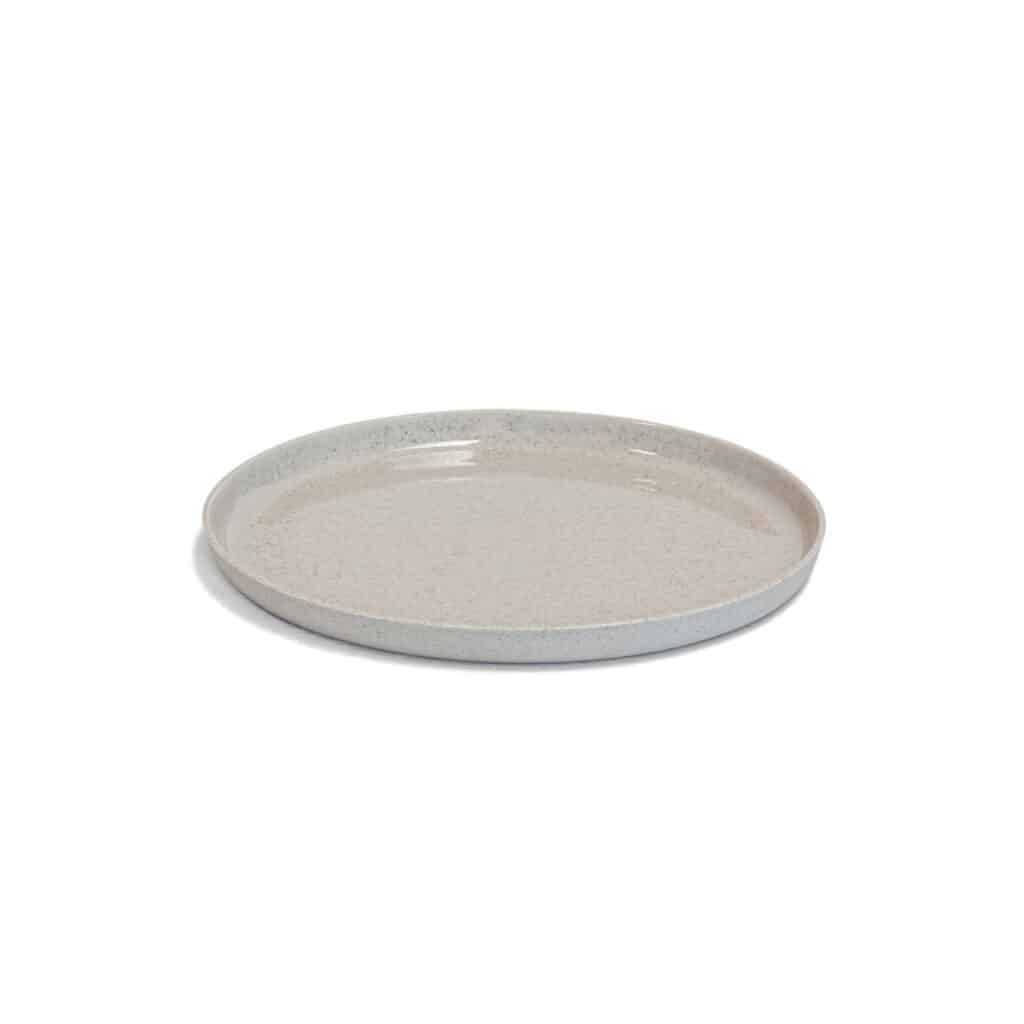
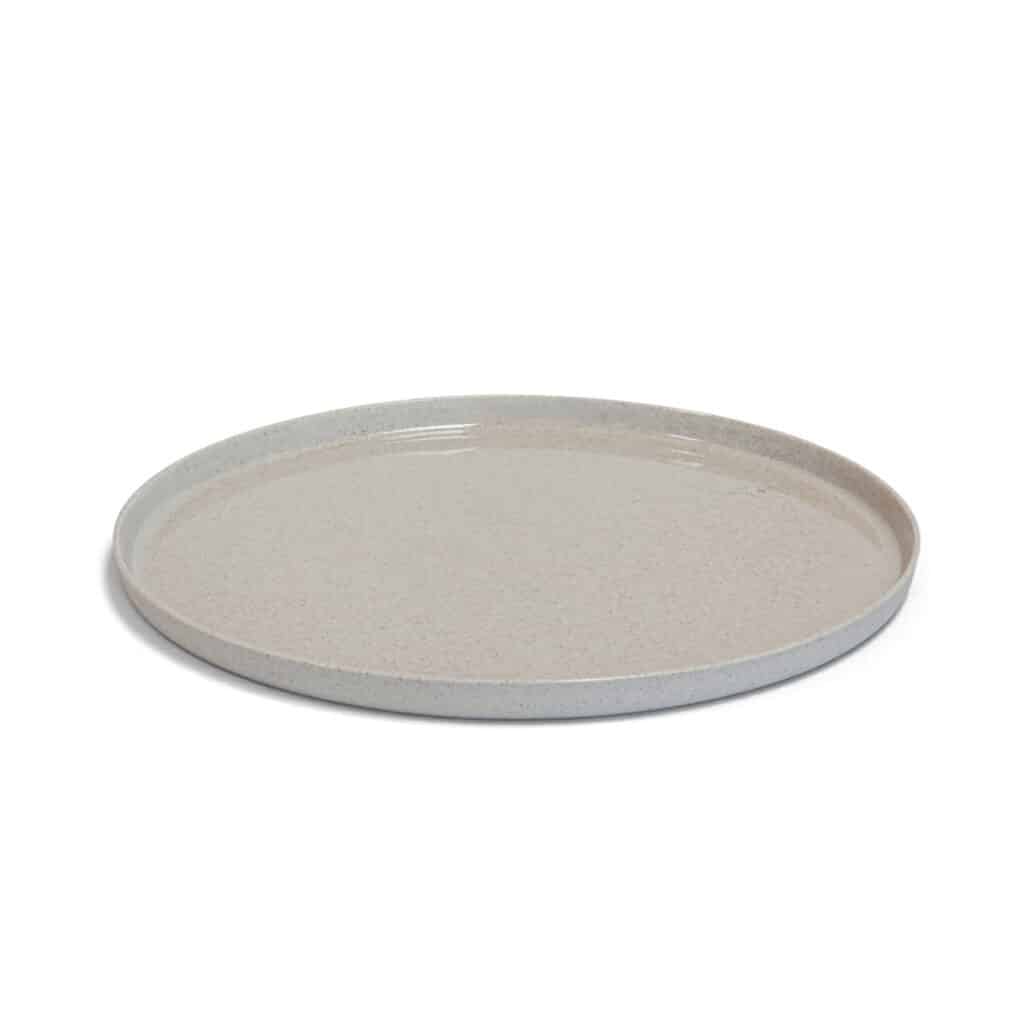
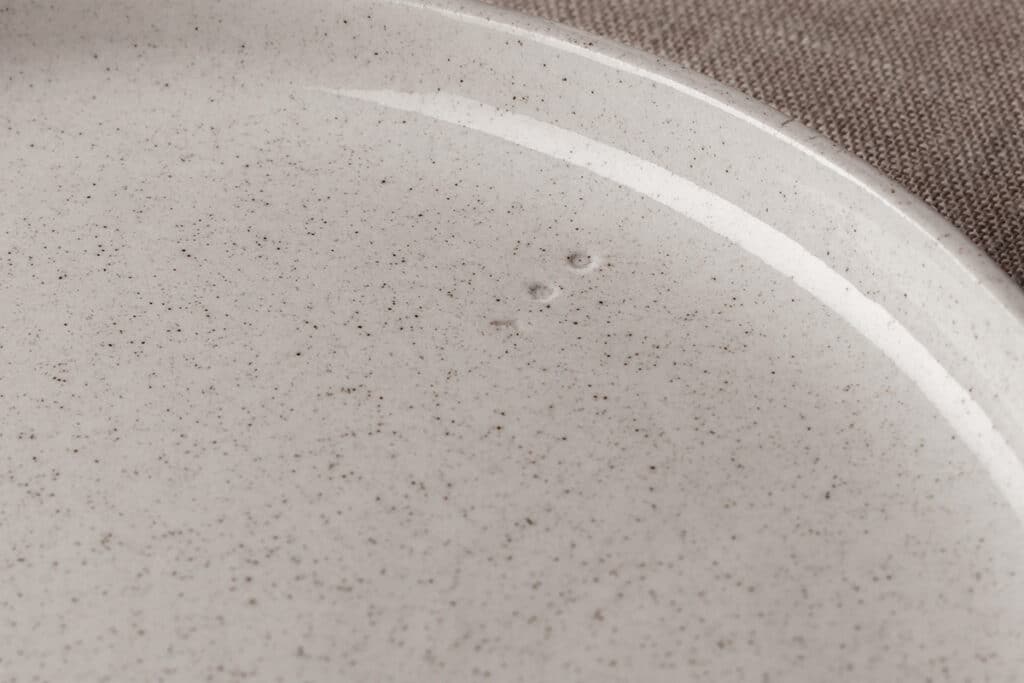
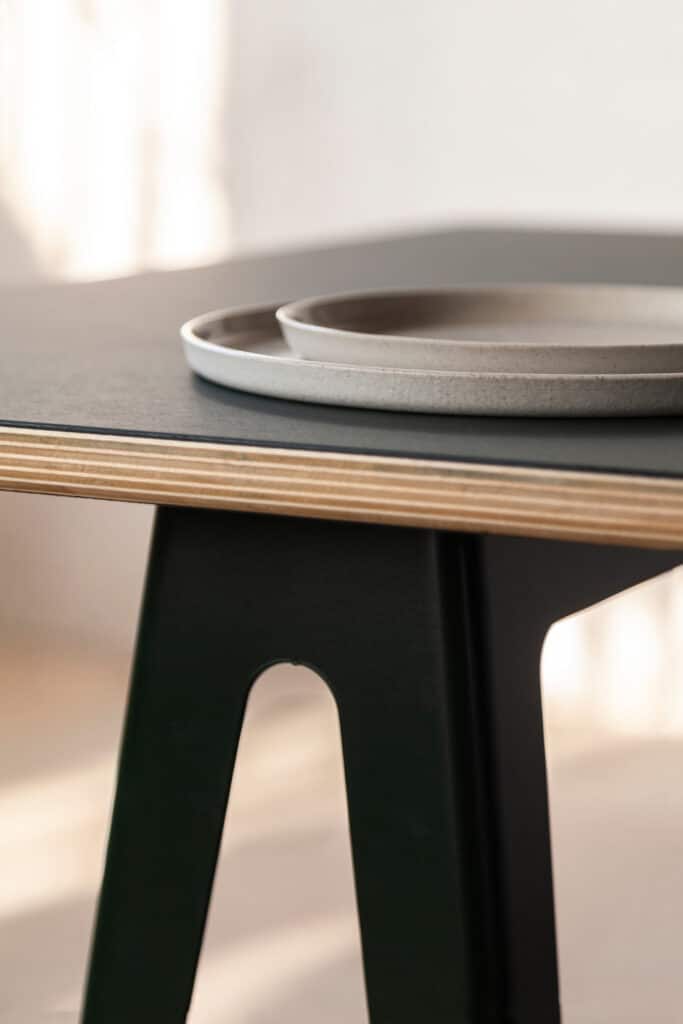
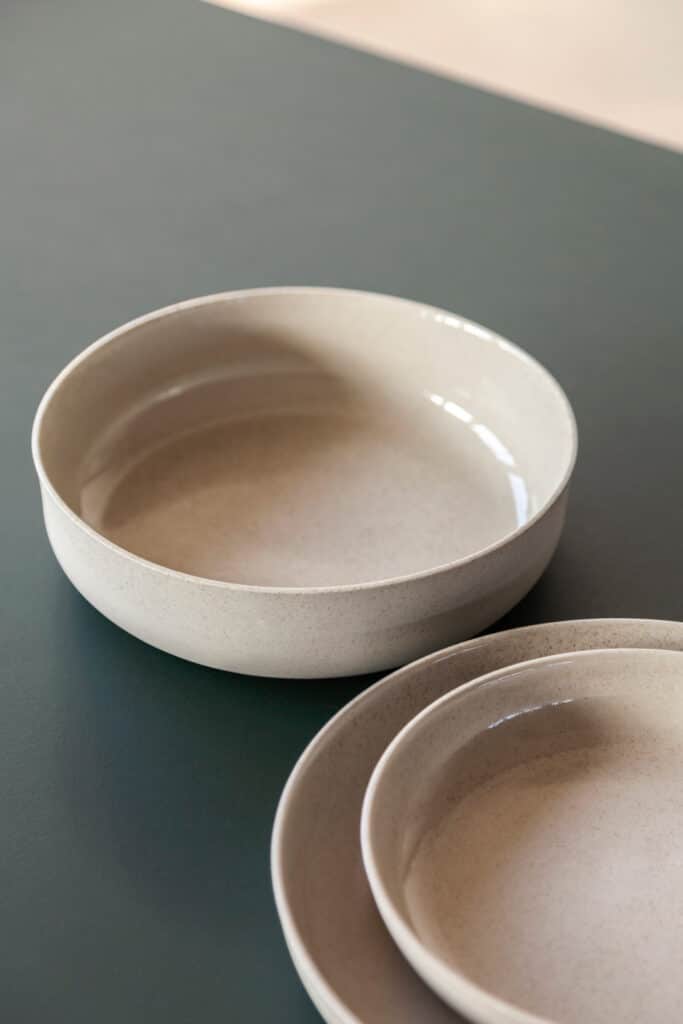
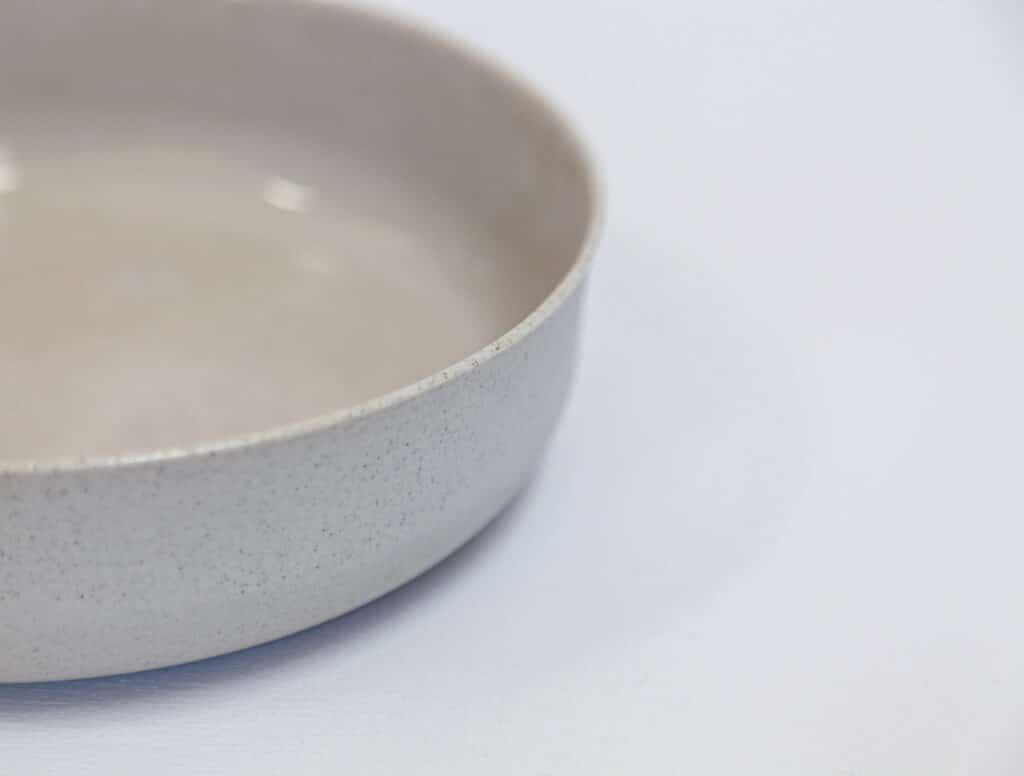
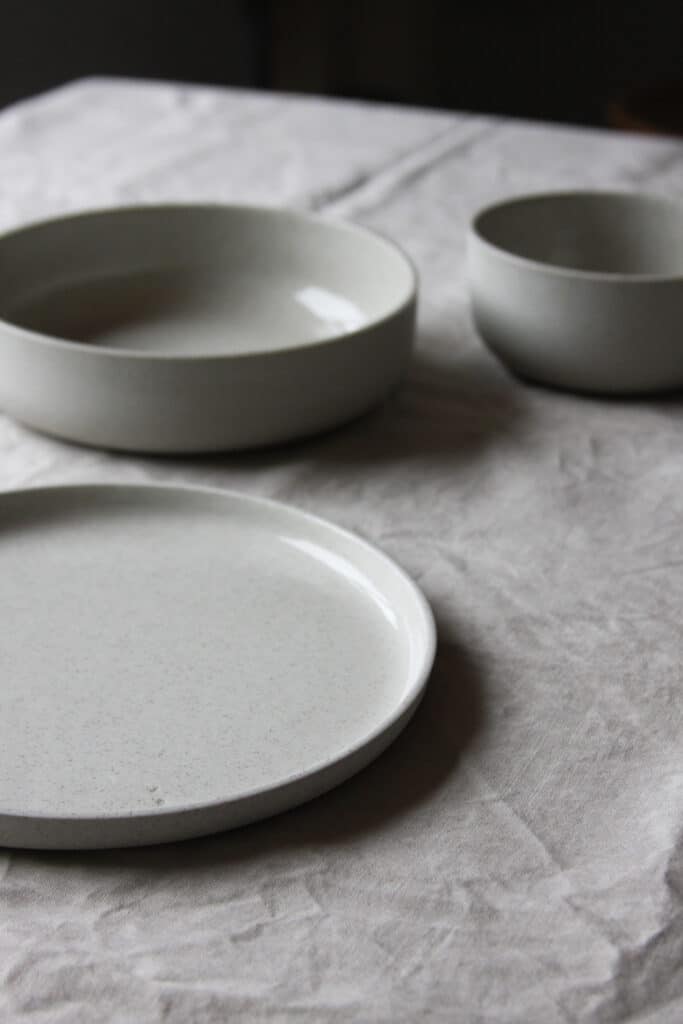
This tableware owes its light beige hue with dark brown speckles to the iron sludge added to the porcelain as a color pigment. The exterior is unglazed, giving it a soft but slightly rougher texture. A smooth protective layer of transparent glaze has been applied to the interior.
The tableware consists of six different shapes that can be combined with each other. Of course, it is food- and dishwasher-safe. The material used to color the porcelain represents a piece of consciousness. It refers to one of the most important resources of our planet; water.
-
 OER Tableware Eindhoven | 24-piece designer porcelain dinner setPrijsklasse: € 64,00 tot € 959,00
Looking for larger quantities or to use this product in a project? Ask for a free quotation here. On our download page, you can find 3d models, high-res images, and other product information.
Variants:
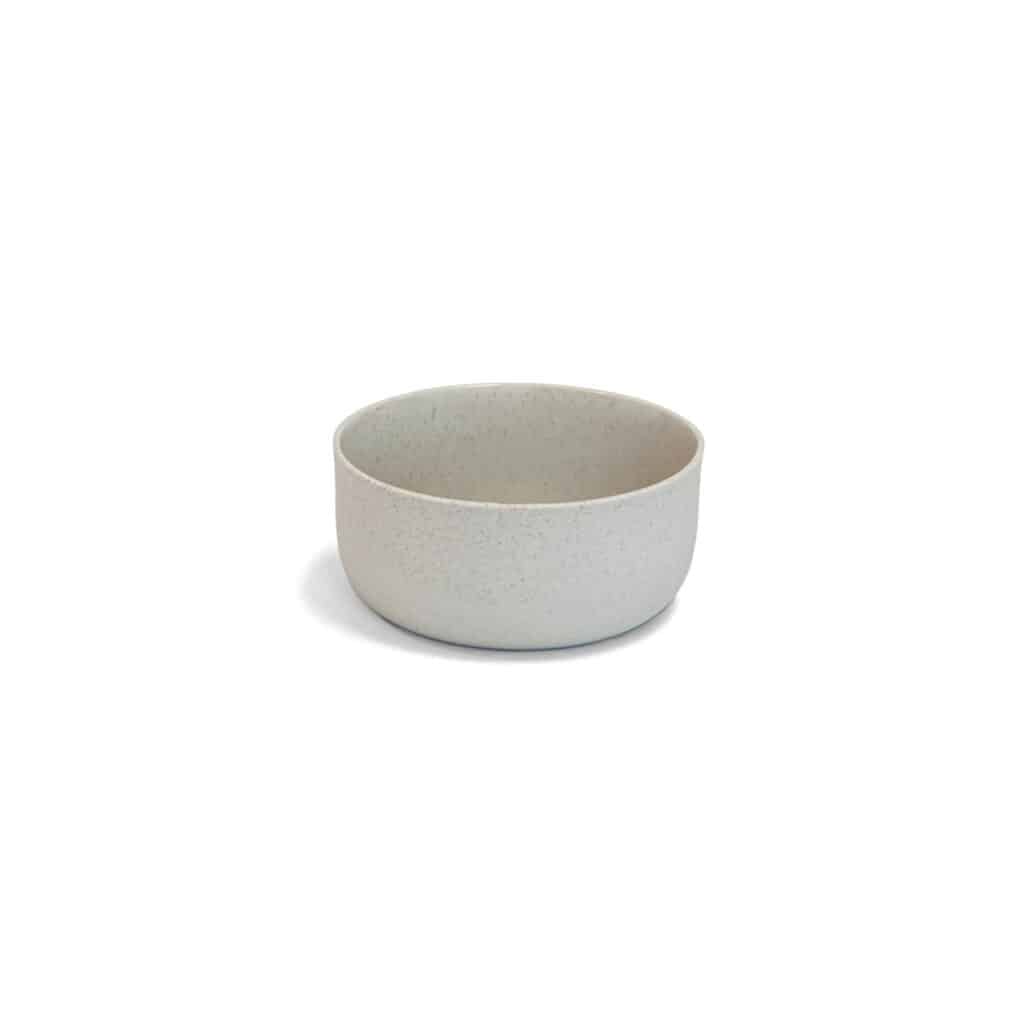
Bowl S 12×6.5 cm & Bowl M 18.5×4.7 cm, Deep Plate M 17.5×2.9 cm &
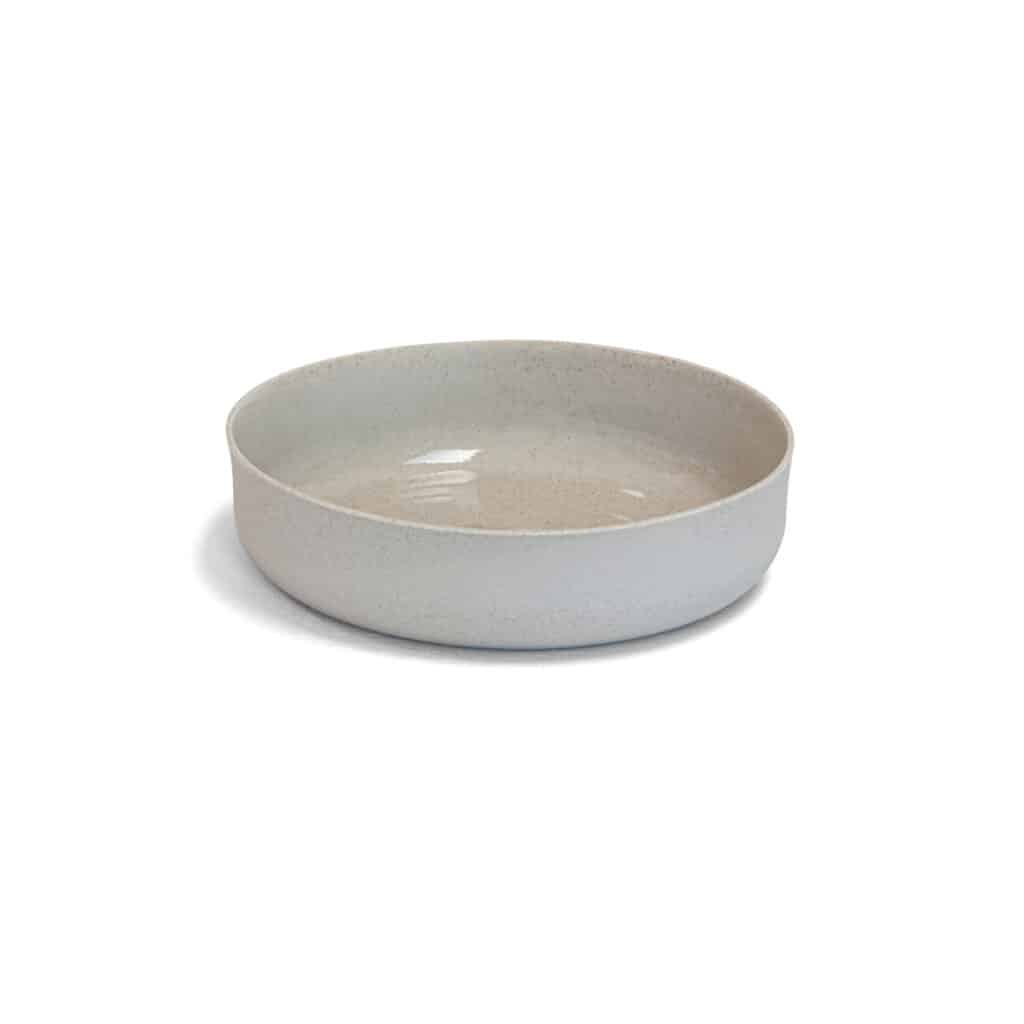
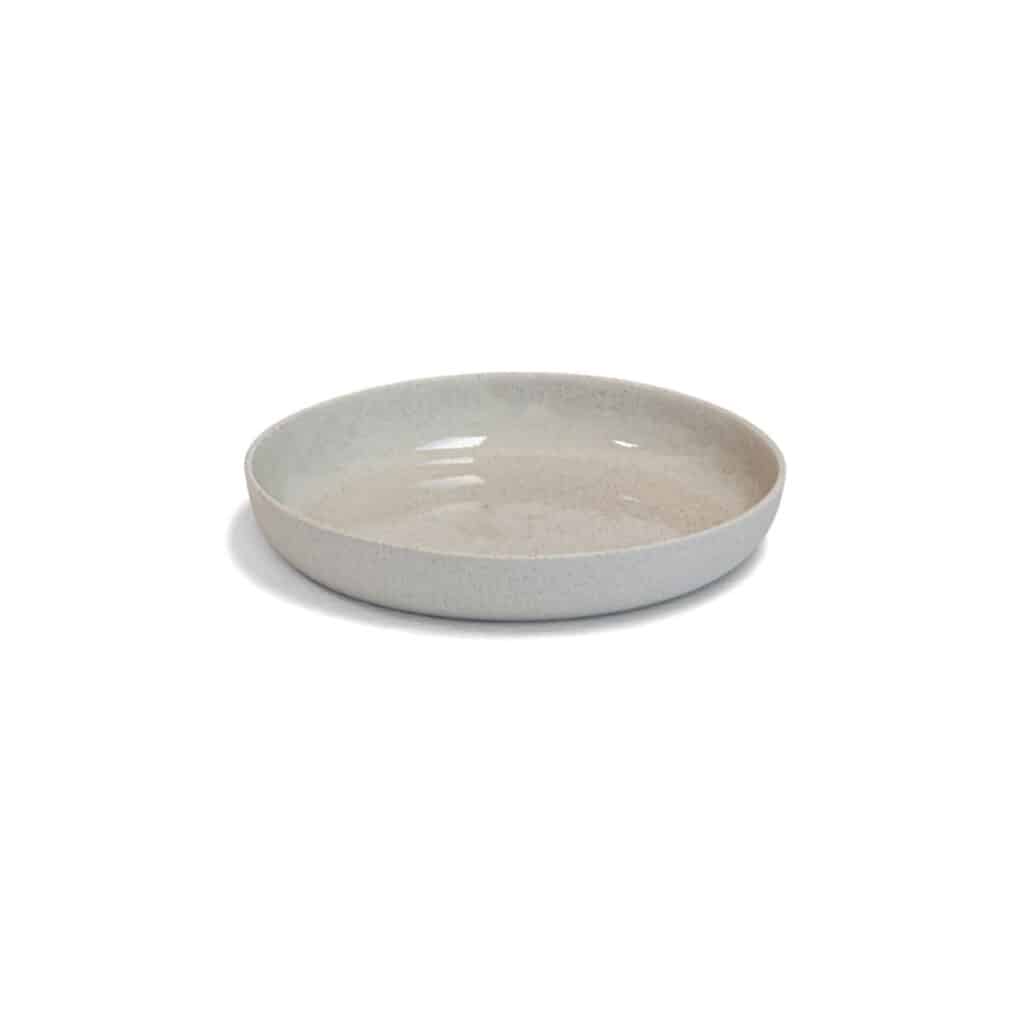
Deep plate L 22.5×3.3 cm, Plate M 20.5×1.5 cm & Plate L 26.5×1.5 cm
the Vij5
steps of
OER Tableware
Transparency of the production chain comes naturally to us.
For us, that doesn't just mean giving information about where something has been produced. Our chain starts much earlier: with the designer of the product!
We'll tell you the whole story. Click on the buttons to discover the different steps:
DESIGN
The OER tableware was designed by Lotte de Raadt & Kirstie van Noort. Lotte & Kirstie both have their own design studios, and Share a ceramics workshop in Eindhoven at the NulZes collective. From here, they conduct their research and produce their own collections on a small scale. The Oer project has been in development since 2016. Working in collaboration, the designers are exploring various possibilities for “ Application ” iron sludge (oer) into ceramic products. At the time, the KWR (Water Research Knowledge Center) asked them to consider applications for the residual stream from the tap water production process. The goal was to use this material rather than allowing it to flow back into the sewer system.

“I love simplicity and minimalism. That goes for my work, too; I like it when the material remains visible in my ceramic plates without too much fuss.”
Lotte de Raadt in VT Wonen magazine
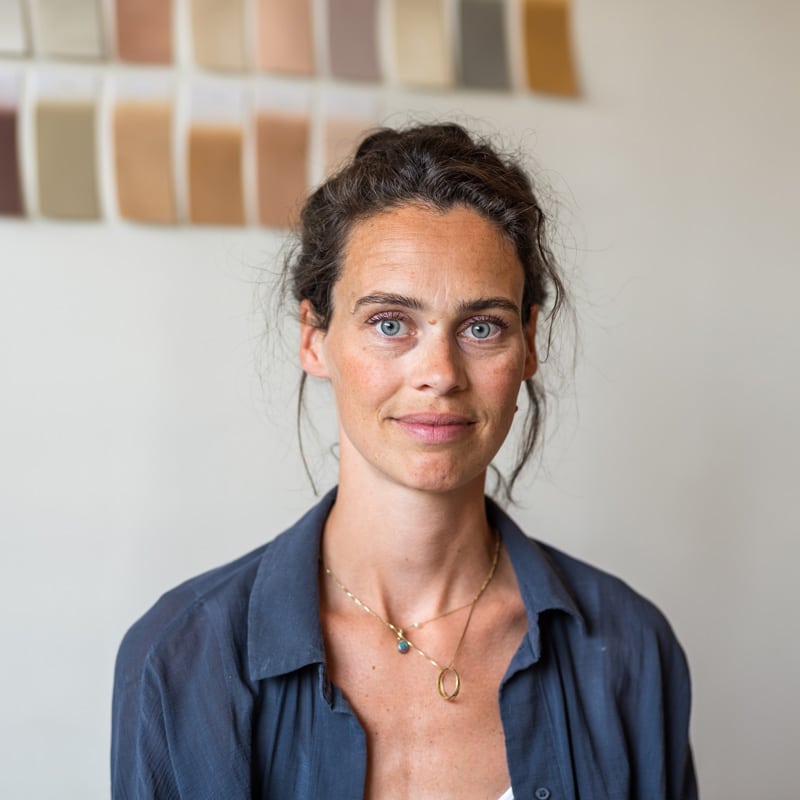
“In my work, I try to make people more aware of the use and origin of our raw materials by and to involve them in the process behind the product or material. The results of my research are always closely linked to the work I create. In this way, I not only try to arrive at a more sustainable solution, but I also communicate the story to the user.”
Kirstie van Noort
This led to an extensive and ongoing investigation into the material’s potential and a fascinating process for transforming the iron sludge into a usable raw material. Lotte & Kirstie succeeded in processing the iron sludge in such a way that it can be used as a high-quality pigment in the ceramics industry. You can read exactly how this works below, under the heading “ CREATE.”
The first result of their research was a series of pink, red, and beige tiles, coloured made with iron sludge; these are currently in production at Koninklijke Tichelaar. The next step was to mix the iron sludge with porcelain in order to produce their line of functional ceramics in a more sustainable way colours.
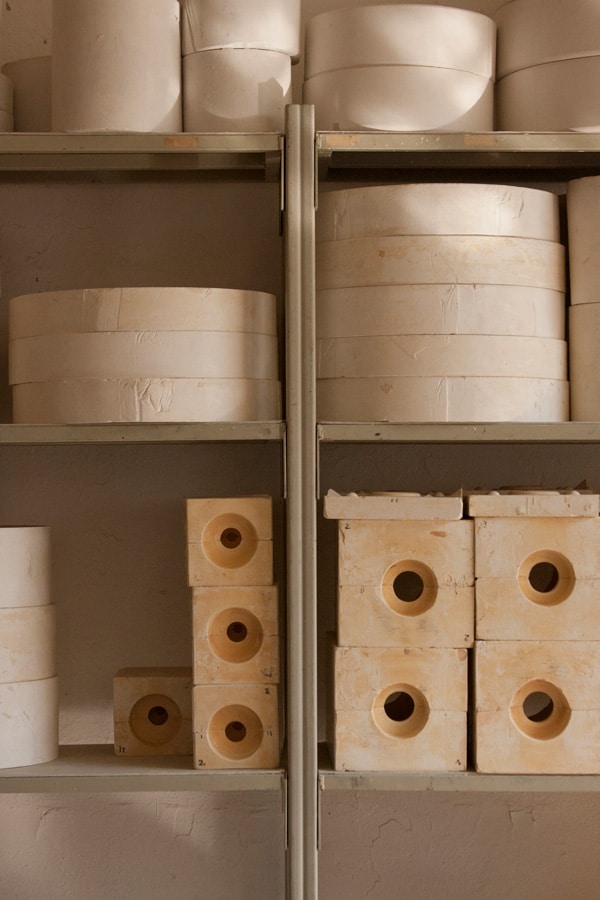
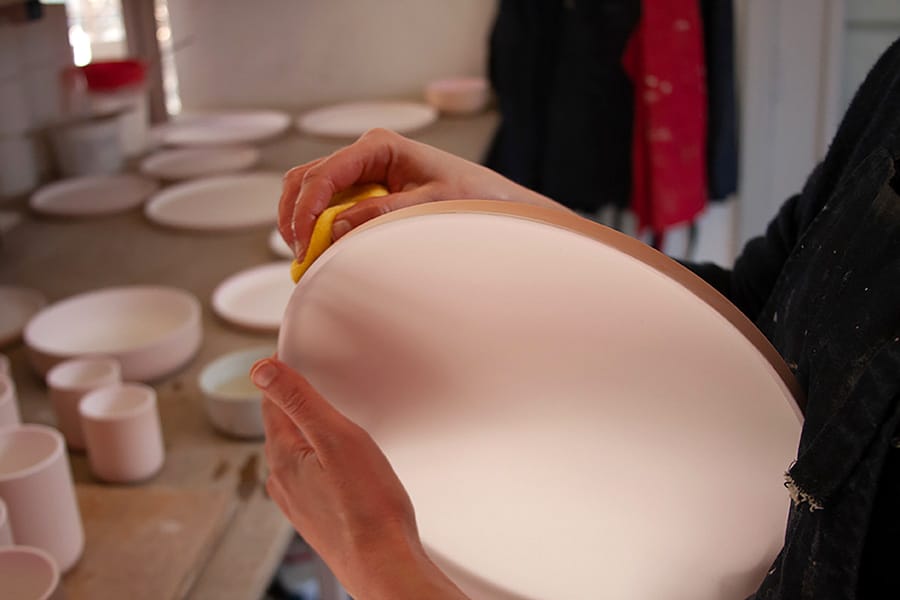
For the OER Tableware, Lotte & Kirstie use self-developed shapes and molds that they also use for various other projects. They are beautiful, practical basic shapes that let the material used speak for itself while creating a blank canvas for the (chef) cook.

CURATE
The OER tableware from Eindhoven has been part of the Vij5 collection since 2023. As far as we’re concerned, the story behind the OER tableware is really about the materials used, and it’s a great example of “research-based design.” Of course, it’s also beautifully designed, but we find it just as interesting that it helps us reflect on how valuable our resources are. by By making use of waste streams and recognizing the beauty in them, we take better care of our planet and take more responsibility for every step we take. In this way, the tableware brings us closer to something we often take for granted. It sparks conversations and makes it easier to understand how we’re connected to the things around us.
Iron sludge isn’t only found in the Eindhoven region. It can be collected from various locations. Depending on the location, it imparts a different hue to the ceramic products of the OER project. Local production helps reduce our ecological footprint and contributes to the preservation of the environment and our natural resources. It also boosts the local economy. This is why we are proud that Vij5 represents the “OER Eindhoven Tableware” collection.
“As far as we’re concerned, the OER tableware is a great example of ‘research-based design.’”
Arjan & Anieke, Vij5
TRANSLATE
The biggest challenge in creating the OER tableware lay in the highly localized material research that preceded this product. by By researching and exploring the qualities and possibilities of iron sludge from the Eindhoven region and then experimenting with ceramics, this beautiful material was created. For this product, the manufacturing process had, of course, already been developed by by Lotte & Kirstie, and we didn’t have to look for a suitable manufacturer either. Together, we structured the forms in the series. We’re especially delighted to be able to share this beautiful local product and its underlying message through the Vij5 collection!
“We could certainly be a little more careful with our resources these days.”
Lotte de Raadt in VT Wonen magazine
CREATE
The OER tableware collection from Eindhoven is handmade in small batches by Lotte & Kirstie th by , in their own local ceramics studio. They use porcelain mixed with iron sludge (also known as “oer”), which they source directly from the water treatment plant in Eindhoven.
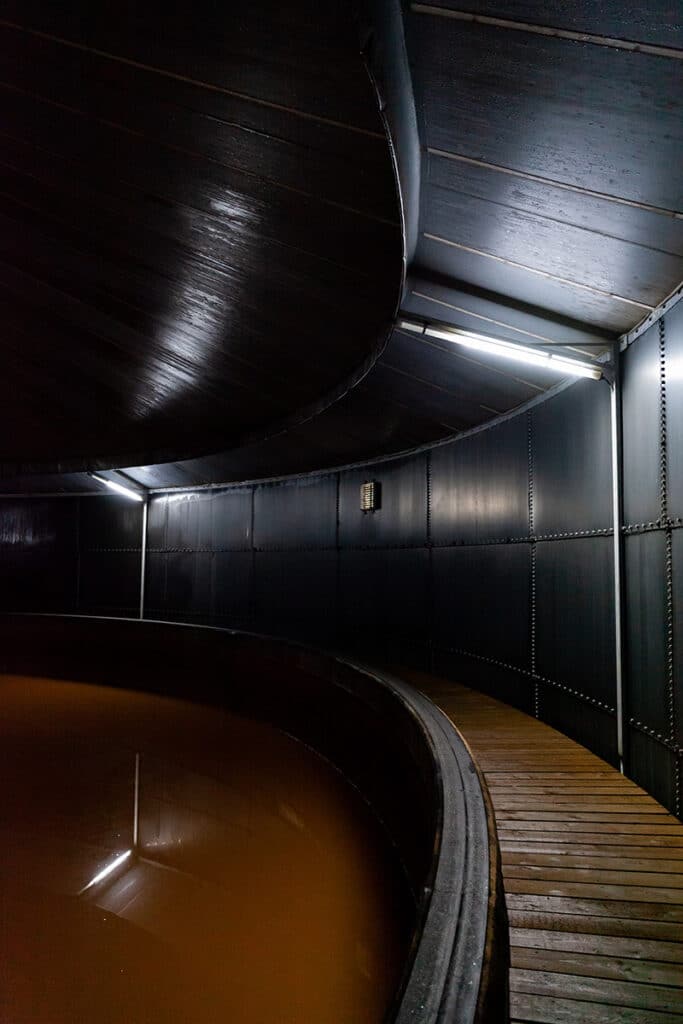
At the water treatment plant, groundwater is pumped up and treated to produce drinking water. This groundwater is found in aquifers hundreds of meters below the surface. The soil acts as a filter as the water seeps through it very slowly. The journey the water takes often takes thousands of years, depending on how deep it is in the ground. Most of the oxygen in the water has been removed, and metals such as manganese and iron have dissolved.
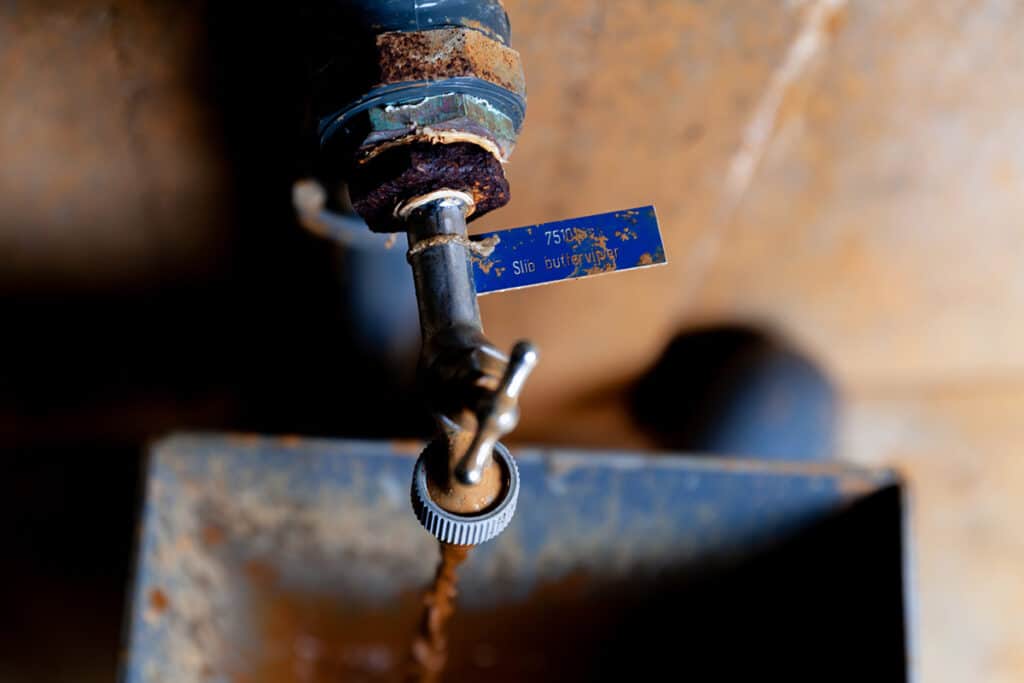
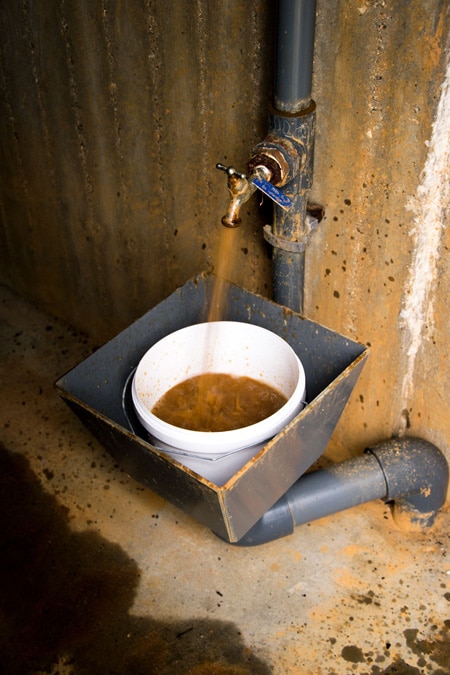
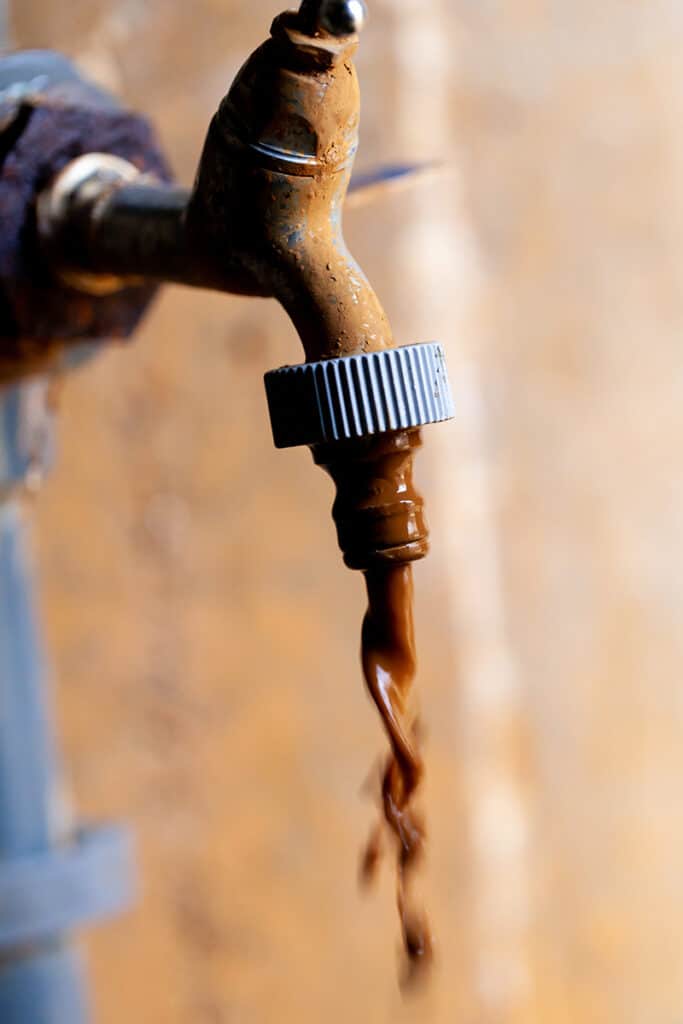
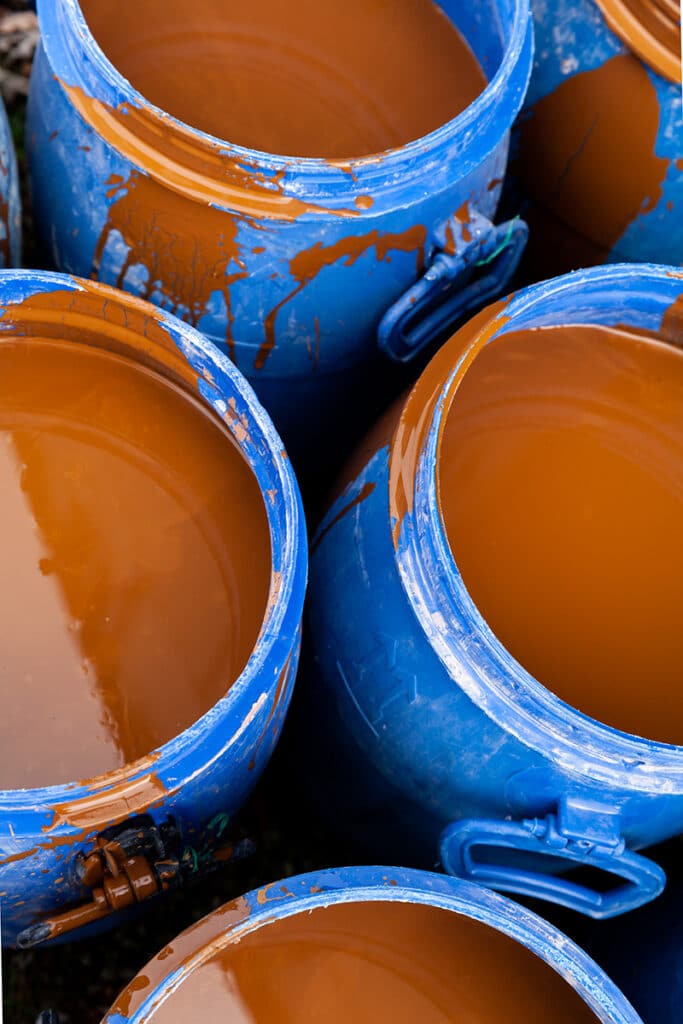
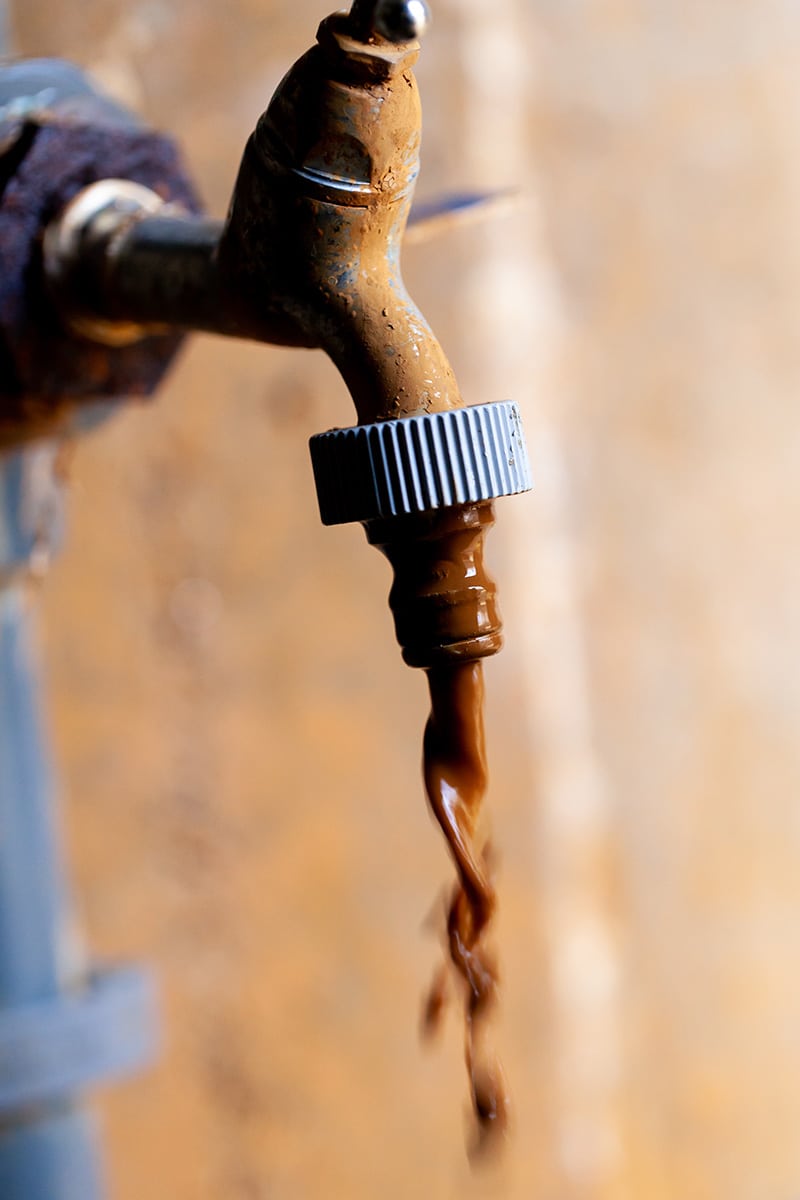
To turn groundwater into drinking water, it undergoes intensive filtration. During this filtration process, various byproducts are released. One of these is naturally formed iron oxide-containing water, also known as “oer.” This material is characterized by by a deep reddish-brown colour.
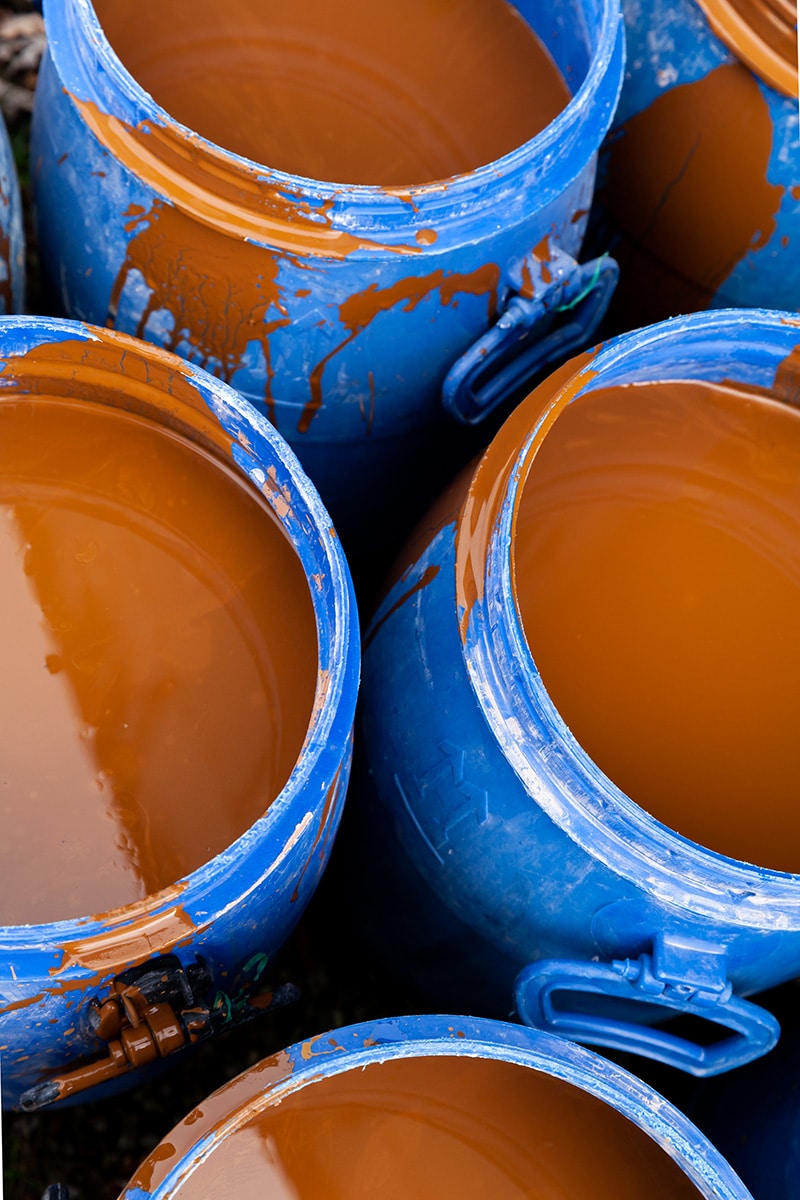
At the production site in Eindhoven, there is currently no Application for the iron sludge, so this iron oxide-containing water is treated as waste and flushed back into the sewer system. For the OER project, Lotte & Kirstie are drawing this cloudy water from the water production company’s so-called buffer pond to use it in their products.
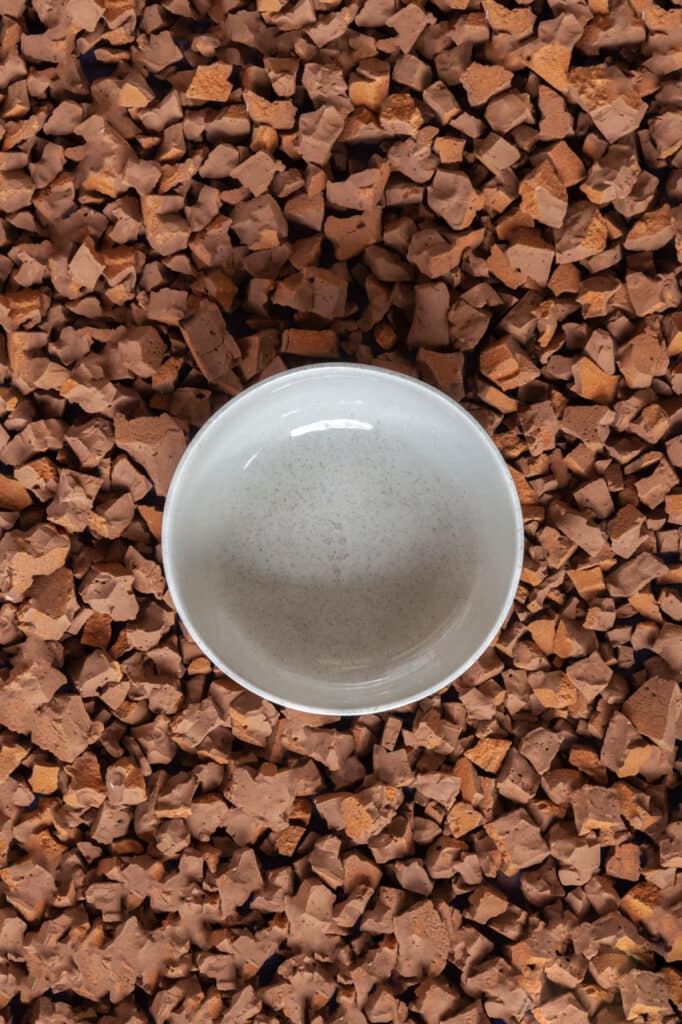
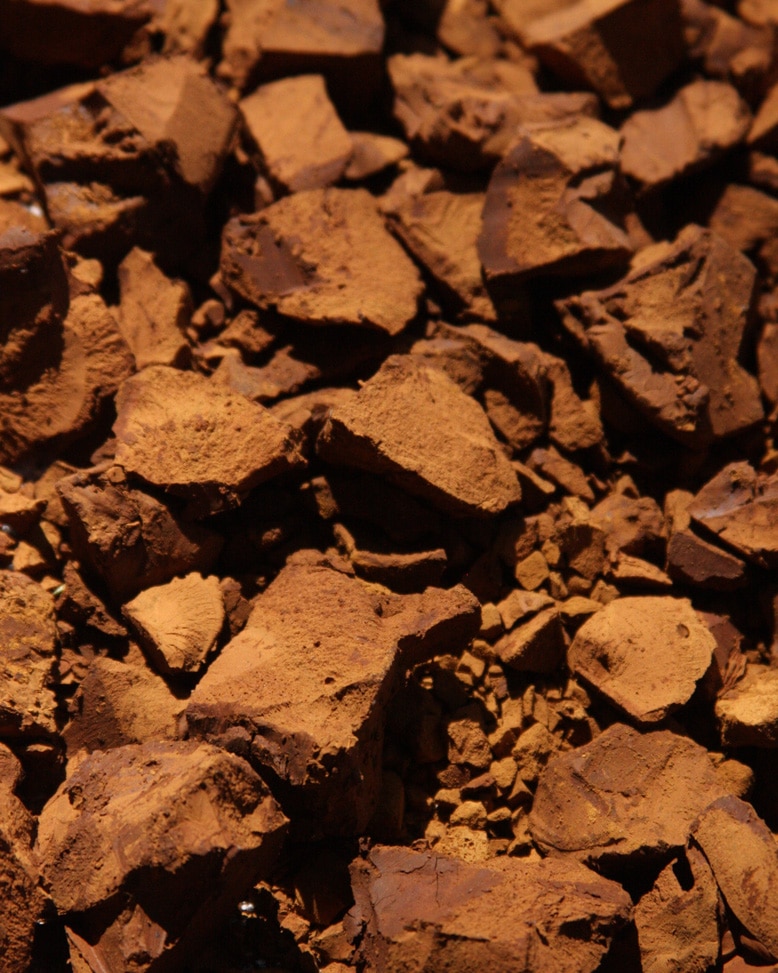
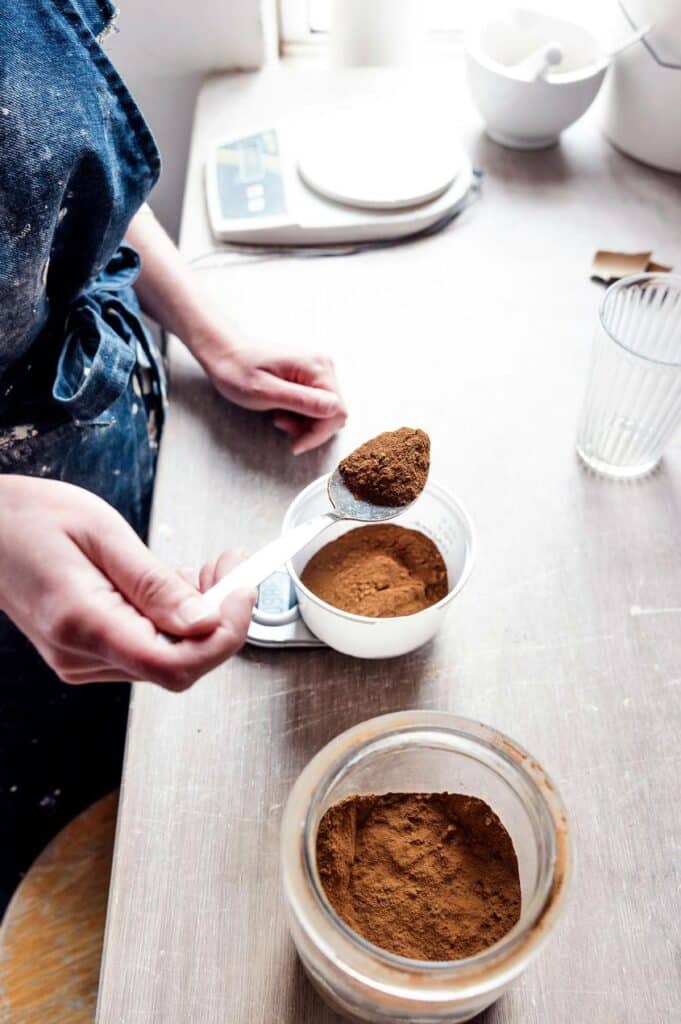
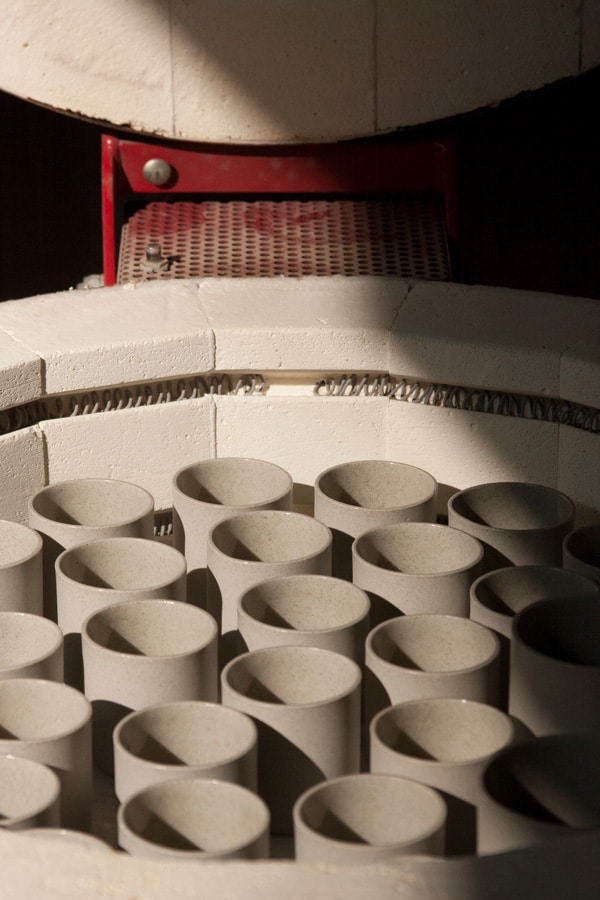
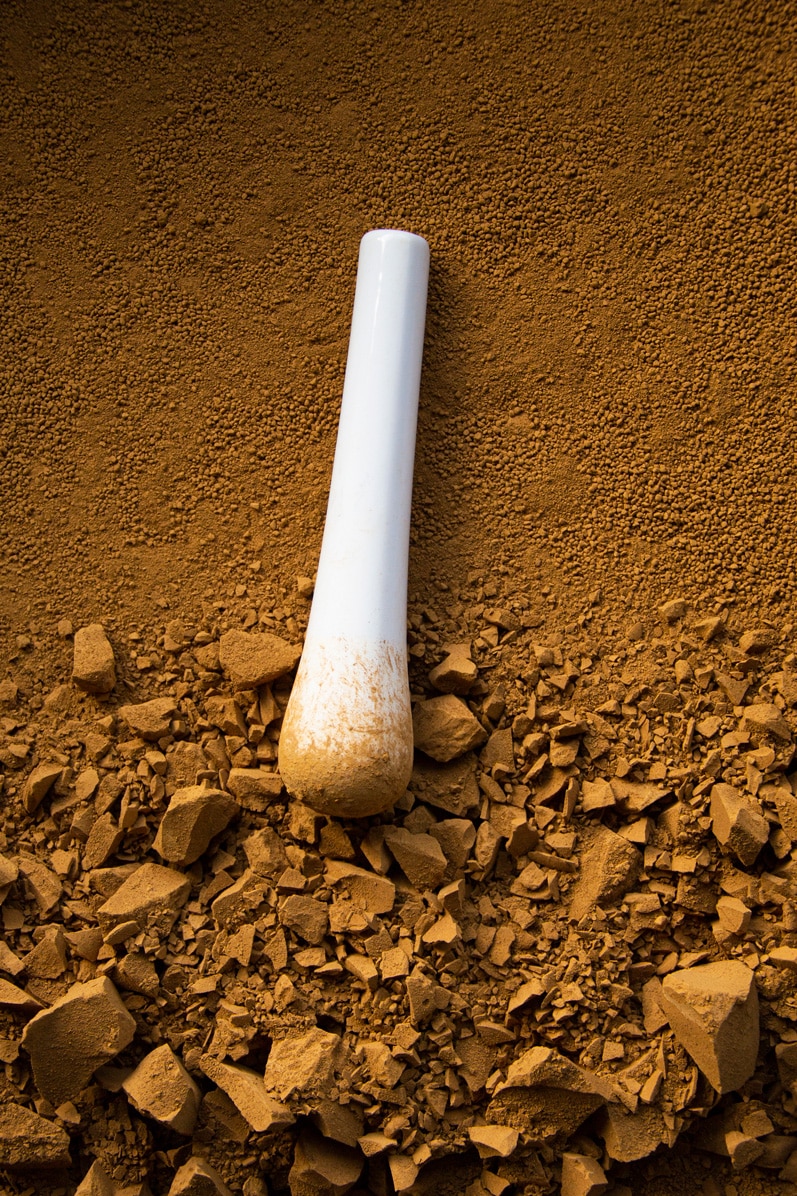
The iron sludge is processed into pigment in their own studio. First, it is filtered again and dried. This creates chunks that are ground and sifted into a rust-colored powder. This pigment is mixed with liquid porcelain cla by ly and poured into plaster molds. A smooth protective layer of transparent glaze is applied to the inside of the molds to make the tableware water-resistant and food-safe. The products are then fired in a ceramic kiln at 1250˚C. by Under the heat, the iron pigment changes color to a beautiful beige colour with small dark brown specks.
In the material passport you can find where and by whom the different parts of this product are made.
MATERIAL PASSPORT

OER Tableware Eindhoven
Material
Porcelain clay with OER slurry and transparent glaze
Production
Handmade by by ,Lotte de Raadt , and Kirstie van Noort in Eindhoven (NL).
Dimensions
Small Bowl S 12×6.5 cm
Medium Bowl M 18.5×4.7 cm
Deep Plate M 17.5×2.9 cm
Deep Plate L 22.5×3.3 cm
Plate M 20.5×1.5 cm
Plate L 26.5×1.5 cm
Packaging
Custom-made brown cardboard packaging made from 80% recycled cardboard, produced in the Netherlands
Part of the " Vij5 " collection since 2023
SHARE
Would you like to see this product in real life?
Come visit our showroom in Den Bosch or stop by one of our ambassadors or other retail locations. Be sure to check in advance to see if they actually have this item in stock—not all retail locations carry the entire collection.
In need of larger quantities or considering it for a project?
Please contact Arjan and request a quotation here.

Vij5 webshop
All Vij5 products can of course also be ordered directly from our own webshop:
-
OER Tableware Eindhoven | 24-piece designer porcelain dinner setPrijsklasse: € 64,00 tot € 959,00
Vij5
Showroom

At our studio in Den Bosch, near the home furnishings district and just two minutes from the A2, everything comes together: showroom, workshop, warehouse, and office. Most of the products from the Vij5 collection are on display here.
Our showroom is still under construction, but you’re, of course, more than welcome to visit. Please contact us in advance and let us know which products you’d like to see, and we’ll see what we can do.
You can easily make an appointment by email or phone.